Powered by Smartsupp


How to Test Cooling Ventilation: A Step-by-Step Guide

Testing the cooling ventilation system in a building or facility is essential for ensuring that it operates efficiently, provides adequate airflow, and maintains optimal indoor air quality. A properly functioning cooling and ventilation system is crucial for comfort, health, and energy efficiency, whether it’s for residential homes, commercial buildings, or industrial settings. This guide will walk you through the steps to test cooling ventilation systems, identify common issues, and ensure that the system is performing as expected.


Initial Inspection
The first step in testing a cooling ventilation system is to conduct a visual and physical inspection of all components. Look for any obvious signs of wear, damage, or obstructions that might affect airflow or cooling efficiency. Check Filters: Inspect air filters for dust, dirt, and debris. Clogged filters can restrict airflow, reducing cooling performance and efficiency. Inspect Ductwork: Look for any visible damage or leaks in the ductwork. Leaks can cause air to escape, leading to decreased cooling capacity and higher energy consumption. Examine Vents and Grilles: Ensure that vents, grilles, and registers are clean, open, and free from any blockages that could obstruct airflow. Performing a basic visual inspection will help you identify any apparent issues before diving into more detailed testing.

Check Airflow
Airflow testing is one of the most crucial steps in evaluating the performance of a cooling ventilation system. Insufficient airflow can result in inadequate cooling, poor air quality, and even system malfunctions. Measure Airflow Using an Anemometer: An anemometer is a device used to measure the speed of air flowing through ducts or vents. Use it to measure the airflow at various points in the ventilation system, such as near supply vents, return ducts, and air handlers. The readings should be consistent with the manufacturer’s specifications for the system. Compare with System Specifications: Each ventilation system will have optimal airflow requirements based on its size and capacity. Compare the measurements to the recommended airflow rates for the system. If the airflow is lower than expected, it may indicate issues like clogged filters, restricted ducts, or an underperforming blower. Check for Even Distribution: Airflow should be evenly distributed throughout the space. If some areas of the building are cooler than others, it may indicate blocked or poorly balanced ducts. Adjusting the dampers or inspecting the ductwork for leaks or obstructions may be necessary.

Measure Temperature Differences
Once you’ve confirmed that the airflow is adequate, the next step is to measure temperature differences throughout the system. This will help determine if the system is cooling the air effectively. Use a Thermometer or Thermocouple: Measure the temperature of the air entering and exiting the cooling unit or air handler. Ideally, the temperature drop should be within a specified range, typically around 15-20°F (8-11°C) for standard cooling systems. If the difference is significantly lower or higher than this range, it could indicate a problem with the cooling efficiency. Check Return and Supply Air Temperatures: Measure the temperature at both the return air and supply air vents. The return air should be warmer (especially in the cooling season), and the supply air should be cool, typically 10-20°F lower than the return air.

Test the Refrigerant Levels (for Refrigerant-Based Systems)
For air conditioning and other cooling systems that use refrigerants, ensuring that the refrigerant charge is correct is essential for efficient operation. Low refrigerant levels can cause the system to work harder, leading to poor cooling and higher energy consumption. Check for Refrigerant Leaks: Before testing the refrigerant levels, check for any signs of leaks around the evaporator coil, condenser, and refrigerant lines. Leaks should be repaired immediately to prevent further loss of refrigerant. Measure Refrigerant Pressure: Using a set of refrigerant gauges, measure the pressure in both the low-side and high-side lines of the cooling system. Compare these readings with the manufacturer’s recommended pressures for the specific model and operating conditions. If the pressure is too low or high, it may indicate a refrigerant issue, such as a leak, improper charge, or system malfunction. Evacuate and Recharge (if necessary): If the refrigerant levels are low, the system may need to be recharged. This should be done by a certified HVAC technician, as improper handling of refrigerants can lead to environmental damage and legal violations. Share on X
Share on Facebook
Share on WhatsApp

Examine the Thermostat and Control Systems
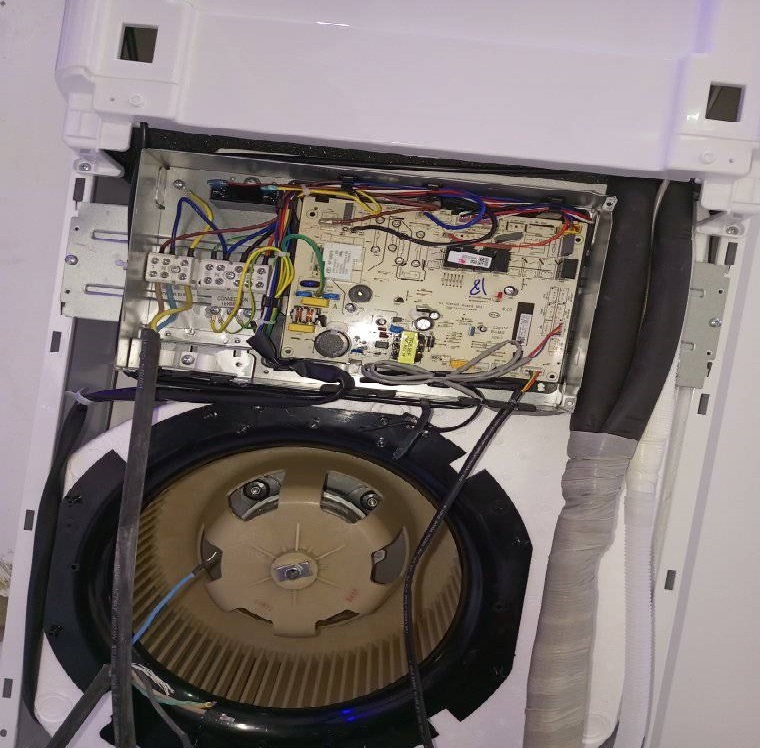
The thermostat and control systems are essential for regulating the cooling and ventilation system’s performance. Improper settings or malfunctions in these systems can lead to inconsistent temperatures, over-cycling, or insufficient cooling. Test Thermostat Operation: Set the thermostat to a lower temperature and verify that the system responds accordingly. The cooling unit should start running when the thermostat detects a temperature higher than the setpoint. Conversely, when the room reaches the desired temperature, the system should shut off. Calibrate the Thermostat: Sometimes, thermostats can become miscalibrated, causing inaccurate readings. Using a secondary thermometer to compare the room temperature with the thermostat’s reading can help determine if recalibration is needed. Inspect the Control Board and Wiring: Examine the control board, wiring, and connections for any visible signs of damage, corrosion, or wear. Faulty wiring or a malfunctioning control board can lead to intermittent or non-functioning systems.

Check for Excessive Noise or Vibration
Unusual noises or vibrations can be signs of an underlying issue with the cooling ventilation system, such as loose parts, worn bearings, or imbalance in the blower motor. Listen for Unusual Noises: When the system is running, listen for any rattling, grinding, or squealing sounds. These could indicate issues with the fan, motor, or compressor. In such cases, it is important to shut down the system immediately and investigate the cause. Check for Vibrations: Excessive vibrations can be caused by loose or unbalanced components. Check that the blower fan is secure and that the system is properly aligned. You may need to tighten screws or replace worn-out parts to reduce vibrations.

Verify System Efficiency
Finally, to ensure the cooling ventilation system is operating at peak efficiency, check the energy consumption. An inefficient system not only leads to higher utility costs but can also indicate potential issues like clogged filters, improper airflow, or failing components. Monitor Energy Consumption: Use an energy monitor or the building’s utility meter to track how much electricity the system is consuming over a period. Significant spikes in energy use may signal an inefficient system, requiring maintenance or a tune-up. Perform Preventative Maintenance: Regular cleaning, lubricating parts, and ensuring proper airflow can help maintain energy efficiency. Schedule routine inspections to keep the system running smoothly.

Conclusion
Testing cooling ventilation systems is essential for ensuring that they provide the desired level of comfort and energy efficiency. By conducting a thorough inspection of the system, measuring airflow and temperature differences, testing refrigerant levels, and examining the thermostat and control systems, you can identify potential issues early and keep the system running at peak performance. Regular testing and maintenance will not only extend the lifespan of the system but also improve indoor air quality and reduce energy consumption, making it a critical part of any building’s maintenance routine.

Signup to participate in our free skill acquisition program