A Comprehensive Guide to Accurate and Professional Compressor Installation...
Types, Working Principles, and Leakage-Free Installation
Pre-Installation Preparation
Before beginning the installation process, it is essential to carry out a comprehensive site assessment. Choosing the right location for the compressor is critical to ensuring its efficient operation and accessibility for future maintenance. The area must be well-ventilated, spacious, and free of obstructions, allowing for adequate airflow and sufficient space around the compressor for routine inspections and repairs. Additionally, the site should be level and stable to prevent any vibrations that could negatively affect the compressor’s performance. Once the site is prepared, it is vital to ensure that the electrical requirements for the compressor are met. Each compressor model may have specific voltage and phase requirements, and connecting the compressor to an inappropriate power supply could lead to system failure or reduced efficiency. It is essential to consult the manufacturer's manual and verify that the electrical supply matches the compressor's specifications. A dedicated circuit breaker should be installed to protect the compressor from power surges and electrical faults, safeguarding both the system and the building. Moreover, the necessary tools and safety equipment must be gathered before beginning the installation. Common tools required for compressor installation include wrenches, torque wrenches, multimeters, screwdrivers, pipe cutters, and vacuum pumps. Personal protective equipment (PPE), such as gloves, goggles, and hearing protection, should also be worn to minimize the risk of injury during the installation process.Unboxing and Inspection
Upon receiving the compressor, the first step is to carefully inspect it for any signs of damage incurred during transportation. Any visible dents, scratches, or other physical damage should be addressed immediately by notifying the supplier or manufacturer. Additionally, all components of the compressor, including the motor, condenser, and refrigerant lines, should be thoroughly checked to ensure that they are in good condition and meet the specifications outlined by the manufacturer. At this point, reviewing the installation manual provided by the manufacturer is crucial. The manual will contain specific installation instructions, safety warnings, and detailed diagrams that should be followed to guarantee a successful installation.Positioning the compressor
Once the compressor has been inspected, the next step is to position it properly on the installation site. If the compressor requires mounting, it should be securely fastened to a stable foundation or base, ensuring that it is aligned with the connected systems such as piping and electrical connections. Vibration isolation pads or rubber mounts are often used to absorb vibrations, minimizing noise and preventing potential damage to surrounding equipment. Proper alignment is another critical factor in compressor installation. Misalignment of the compressor with the connected pipes and electrical systems can result in mechanical stress, increased wear, and premature failure of the components. Ensuring that the compressor is level and positioned correctly will help minimize operational issues in the long run. Adequate clearance around the compressor should also be maintained to ensure sufficient airflow and provide easy access for future maintenance.Plumbing and Piping
After positioning the compressor, the next task is to connect the suction and discharge lines. These lines must be appropriately sized and routed to prevent pressure drops and leaks. The suction line, which carries the refrigerant gas from the evaporator to the compressor, should be insulated to prevent heat gain from the surrounding environment. The discharge line, which transports the compressed gas to the condenser, should also be insulated to minimize heat loss and improve energy efficiency. A critical step in this phase is the leak test. After the piping is connected, a leak test should be conducted using nitrogen gas or another non-flammable medium to ensure there are no leaks in the system before refrigerant is introduced. Leaks in the refrigerant lines can lead to system inefficiency and potential damage to the compressor, so this step cannot be overlooked.Electrical Connections
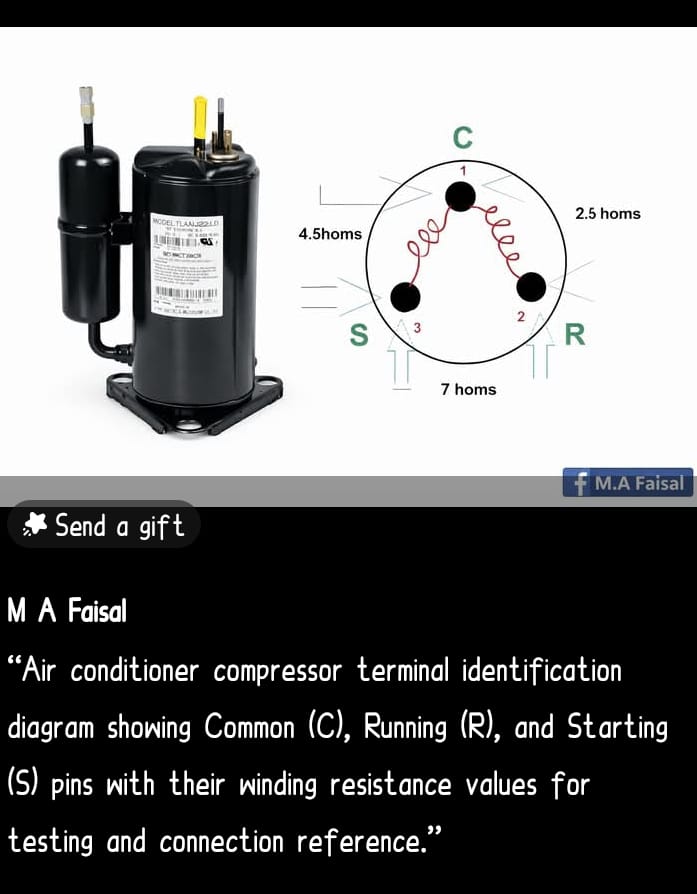
Next, the compressor needs to be connected to the electrical supply. The compressor’s electrical connections must be made according to the manufacturer's specifications, ensuring that the voltage, phase, and wiring match the system’s requirements. It is advisable to have a qualified electrician handle this task, particularly for more complex systems like three-phase electrical connections. A disconnect switch or circuit breaker should be installed within sight of the compressor. This safety feature allows the operator to isolate the power supply to the compressor in case of emergency or for maintenance work. Proper grounding of the compressor is also essential to prevent electrical hazards. A multimeter can be used to verify the continuity of the ground connection, ensuring that the compressor is properly grounded before the system is powered on.Refrigerant Handling
Once the electrical and piping connections are complete, the next step involves handling the refrigerant. Proper refrigerant management is critical to the performance and longevity of the compressor. The refrigerant lines should be connected according to the manufacturer's guidelines, and the system should be evacuated of air and moisture using a vacuum pump. Moisture in the system can cause corrosion and damage to internal components, so ensuring a thorough evacuation of air and moisture is essential. After evacuation, the system can be charged with the specified refrigerant. This process must be done carefully, as overcharging or undercharging the system can lead to reduced efficiency and potential damage to the compressor. Monitoring the pressure and temperature during the charging process helps ensure that the correct refrigerant level is reached, and the system is properly pressurized.System Testing and Commissioning
After completing the installation, it is crucial to test the compressor and the entire system to ensure proper operation. The system should be run for a short period, monitoring various parameters such as pressure, temperature, and electrical consumption. The compressor should operate smoothly, with no unusual noises or vibrations, and the system should reach its intended cooling or heating capacity. Any irregularities or inefficiencies should be addressed before commissioning the system for regular use. During the test phase, operators should also check for leaks one final time using leak detection tools, ensuring that all connections are secure and the system is fully sealed.Share on X
Share on Facebook
Share on WhatsApp